
Domaine Rapet Père & Fils

Our vintages

2024
2023
2022
2021
2020
2019
2018

The year opens beneath a shimmering veil of frost, casting an almost otherworldly glow over each vine — a striking scene that seems to herald a vintage full of promise.

Regular winter rainfall helps replenish the water reserves, but by spring, the persistent wet conditions begin to pose a challenge. The crop is relatively modest: after giving us two generous vintages, the vines seem ready for a little respite.

Spring remains consistently damp, creating intense downy mildew pressure that will continue throughout the entire growing season.

2024
2024

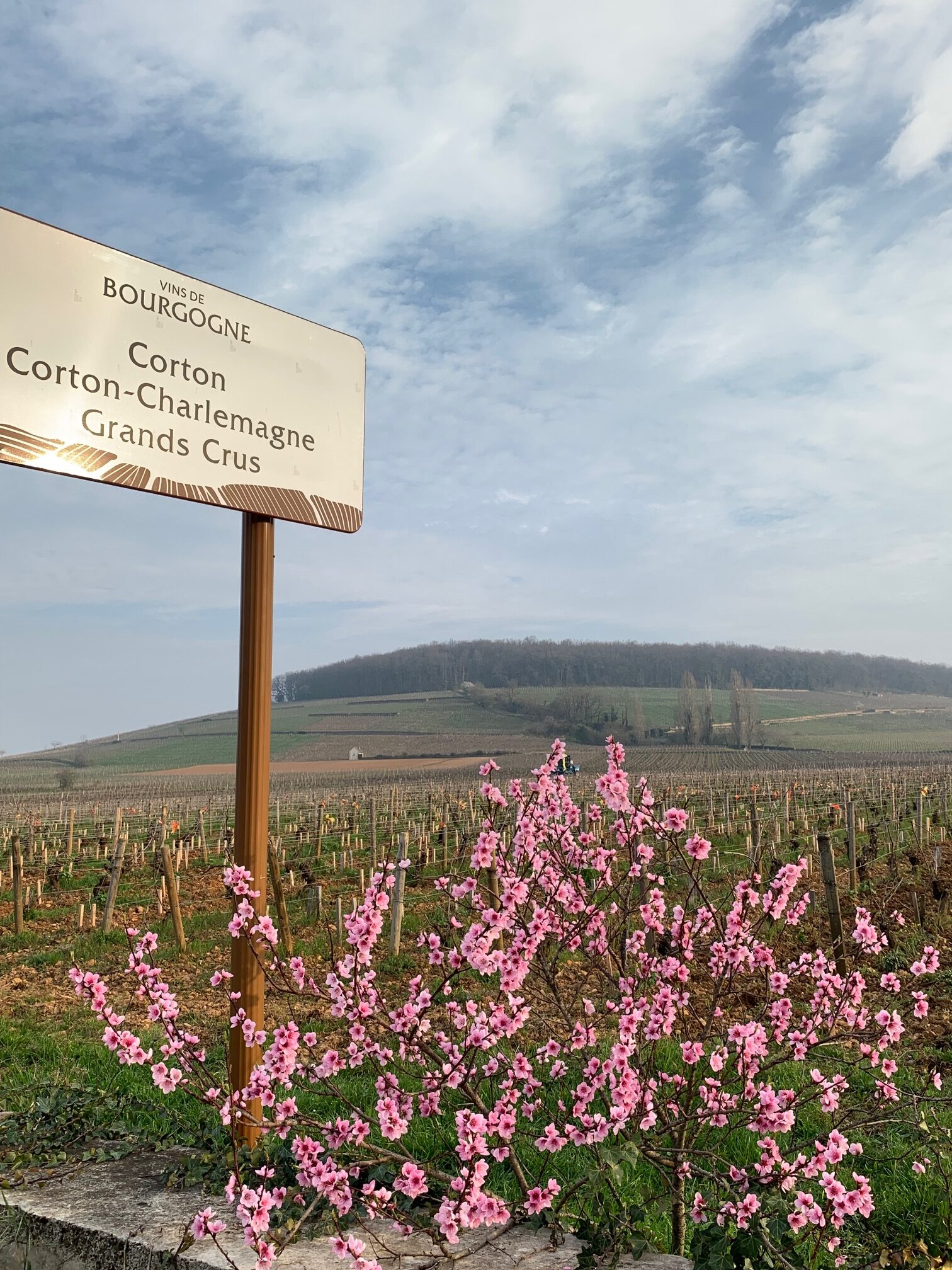
The gently sloping sites, where moisture tends to linger in the soils, suffer significant losses, while the steeper slopes of the Beaune and Pernand vineyards, where water drains away more freely, are largely spared.

In the end, the small crop proves to be an advantage. The gentle September sunshine allows the 2024 grapes to reach full maturity, slowly but surely. Harvest finally begins on September 17th, 2024, with the grapes showing a beautifully harmonious balance between acidity and sugar.

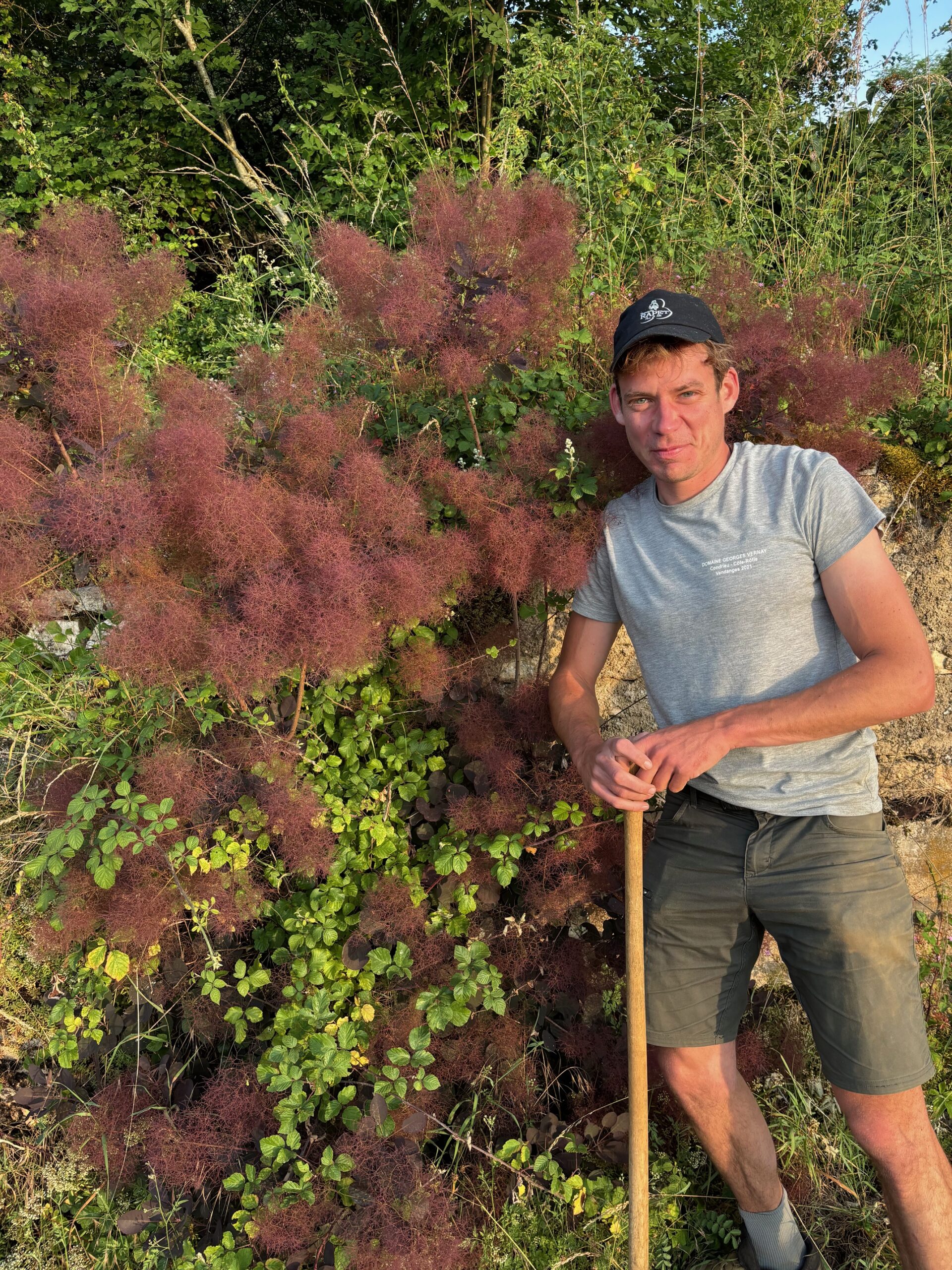
Our commitment to biodiversity and organic farming remained unwavering despite the heavy rainfall, which called for even greater vigilance in the vineyard. Every intervention was guided by respect for the terroir and its natural balance.

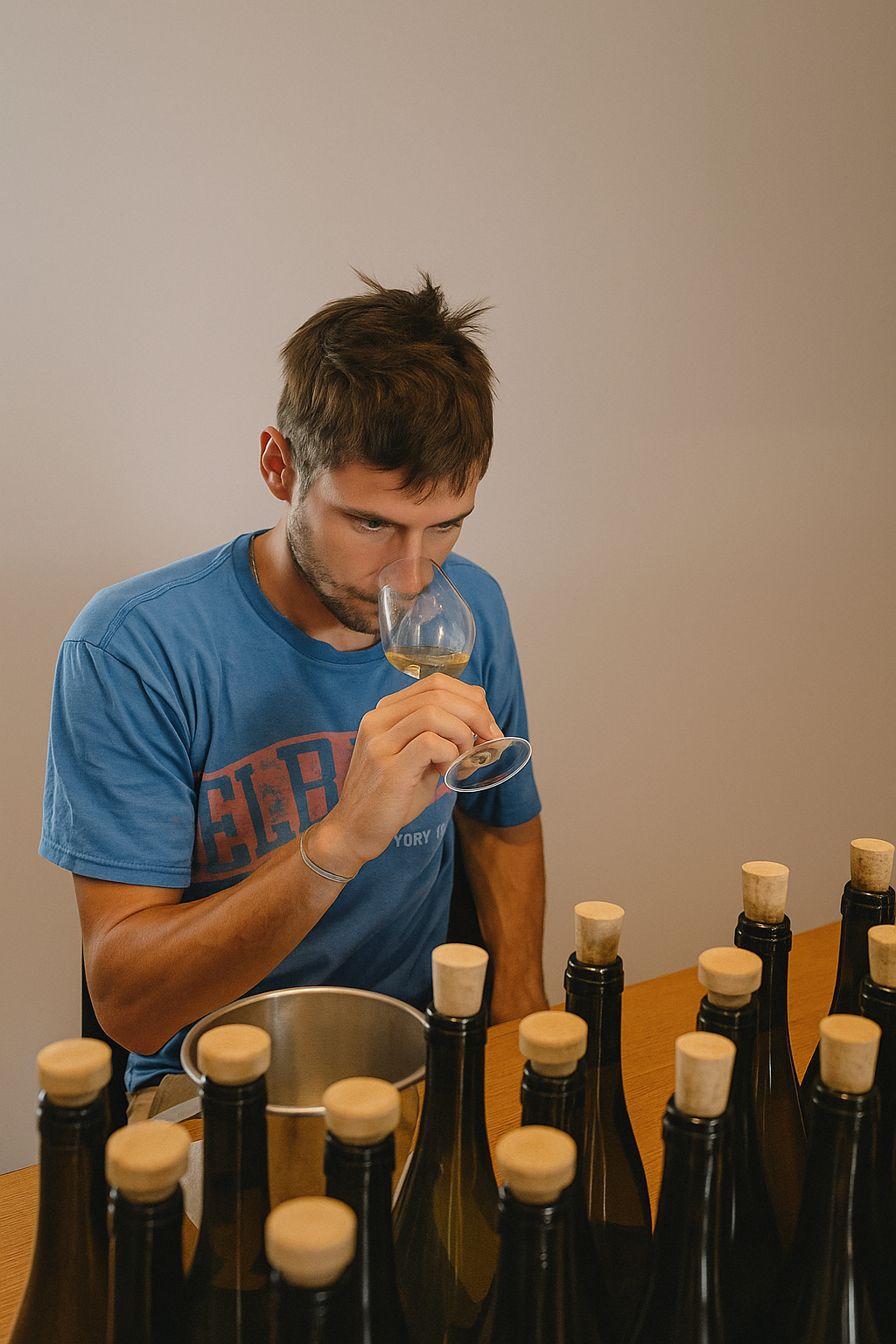
Careful ageing of the 2024 Chardonnay has resulted in remarkable aromatic precision, enhanced by the diversity of vessels used throughout the élevage.
2024
2024

Each cuvée is aged in at least two different types of vessel before being blended at the end of the ageing period:

  • Barrels bring complexity and subtle touches of softness, with a selection of oak from different coopers and of varying ages.
  • Concrete eggs lend a distinctive energy, together with a remarkable freshness that becomes especially apparent towards the end of ageing.
  • Large oak foudres contribute impressive length and power on the palate.
  • The terracotta Tava accentuates the flinty, chalky character of our Pernand marls.

With minimal exposure to oxygen, the wine develops along a vibrant, fresh and incisive line of acidity, bringing remarkable precision to the final blend.

The 2024 whites are immediately appealing and generous. Much like the 2017 vintage, they also have excellent ageing potential. Their great aromatic richness leads into a broad, generous palate, underpinned by the natural minerality of our Pernand marls.

The finesse of Pinot Noir is the defining character of the 2024 reds. As with the 2017 vintage, each cru fully expresses its own personality, promising even greater drinking pleasure after a few years in the cellar. Our distinctive ageing approach has helped reveal silky tannins, enhancing both the elegance and the velvety texture of the wines.

The 2023 whites have an intense, mineral nose, and are dense and taut on the palate, with the fresh, lemony character typical of wines made from Pernand marl. The balance between salinity and power lengthens the wines and leads us to expect a year of great ageing potential. A few more months of patience and we’ll be bottling in early winter.

2023

The 2023 reds are still maturing and will be bottled in early 2025. They have a nose of full-bodied red and even black fruit.
The palate is full-bodied and powerful, thanks to the ageing process. With structure, fleshy fruit and silky textures
with structure, fleshy fruit and silky textures, they also suggest good ageing potential.

In 2022, like a racehorse, the vineyard overcame one obstacle after another. The first was the dreaded frost, which forced us to stay up several nights, using the wind generator or candles. But in the end there was no damage, phew!
The second obstacle was the flowering of the vines, which took place under optimum conditions: the bunches were well balanced, of average size, and diseases were kept under control by regular treatments.

2022

August was a summery month and the last obstacle of rot was overcome without any problems. The sorting tables in 2022 were only needed to remove the few leaves that had fallen into the crates. The rains in June enabled the vines to reach harvest without too much water stress and with juice in the bunches, unlike 2020, another very sunny vintage.

The red wines are characterised by a crisp fruitiness, with fresh red berries. Pinots are full of sparkle and precision, with fine, velvety tannins. A great vintage with exceptional balance that can be enjoyed now or forgotten in the cellar.

The 2022 Chardonnay grapes have reached maturity, but without excessive concentration. The wines are generous and dense, with good body and a fresh, dynamic structure.

The 2021 vintage kicked off with a historic spring frost on 6, 7 and 8 April, which hit the Chardonnay buds hard, as they had come out early following the very mild weather in March. The installation of candles and our wind turbine in the Charlemagne vineyards limited the damage, but with snow and temperatures approaching -8 degrees, the harvest potential was considerably reduced from the start of the season.

2021

After a period of vegetative latency following the frost, June and July were well-watered and growth accelerated in a very heterogeneous way even within the plots. Biological protection against disease proved tricky, as the windows between each spell of rain were sometimes very tight. The small harvest of the 2021 vintage finally began on 21 September, breaking the run of warm vintages.

The Pinots benefited fully from the fine weather in September and are very well-balanced, with the acidity blending into the lovely red fruit to produce wines that are flattering in their youth, elegant and fine. After several sunnier vintages, these wines have rediscovered the lovely ruby colour typical of Pinot Noir. During maceration, we give priority to aeration for gentle extraction.

As far as the whites are concerned, early harvesting is becoming the norm, and in order to maintain sufficient ageing and polish our wines, we are extending the ageing of the Chardonnays in vats by a few months for later bottling in the autumn. The wines produced from small yields are straightforward, with a fine minerality and great purity, which augurs well for their ageing potential.

The 2020 harvest began on 19 August and finished on 31 August, just as early as the heatwave of 2003. The Pinot Noir suffered somewhat at the beginning of August during another heatwave, resulting in thick-skinned berries and little juice.

2020

2020

Maceration was carried out gently and skilfully so as not to extract too much and retain all the Pinot’s finesse. The red wines are rich and concentrated, with notes of red to black fruit. They are bewitching and very charming thanks to their delicate texture. The whites suffered less from the drought and have retained incredible energy and tension, with a nose that opens up in its youth.

Despite the drought and millerandage limiting yields, the small bunches of Pinot Noir retain excellent acidity, producing silky, dense, fresh wines. The wines are silky, dense and fresh, with good balance, fullness and ripe, fleshy tannins. A small percentage of whole grapes adds fruit and complexity, reinforcing the deliciousness of the vintage.

2019

The small bunches of Chardonnay retain good acidity. A rapid, well-organised harvest produced a uniform range of concentrated, fresh wines, typical of our limestone hillsides. The Corton Charlemagne is full-bodied and fleshy on the palate, with a chiselled finish.

The 2018 vintage has everything to please winegrowers! A rainy winter, followed by a wet spring, has heightened anxiety among growers and increased mildew pressure in the vines.

2018

Finally, the warm weather set in to sort things out and lighten the mood. The grapes were in perfect health. Harvesting took place at the end of August and beginning of September to preserve the acidity. You’re going to love these fresh, well-balanced whites, so typical of our limestone hillsides.